

News Article | July 27, 2026
Sleep apnea awareness
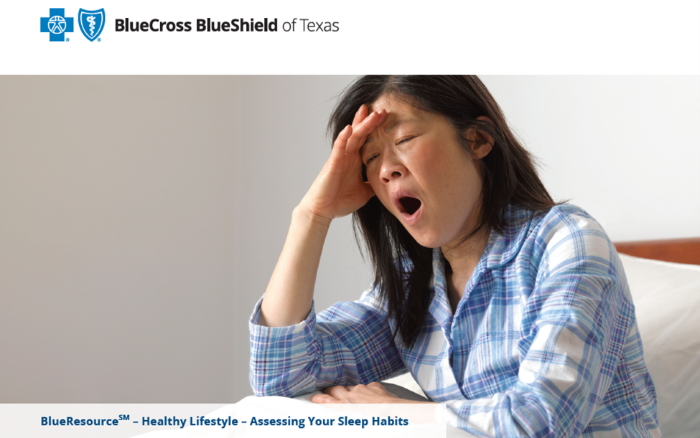
Did you know that snoring may be more than just a loud and annoying noise? It may be a sign of something more serious like sleep apnea. Besides snoring, individuals with sleep apnea can make periodic gasping or “snorting” noises during sleep because their airway gets blocked.
What is sleep apnea?
Sleep apnea occurs when your airway gets blocked repeatedly during sleep, causing you to stop breathing for short amounts of time. Sleep apnea affects how much oxygen your body gets while you sleep, and increases the risk for many health problems, including high blood pressure, heart attack, and stroke.
Sleep apnea can occur in people of any age, including babies.
Among children, it is most common between ages 2 and 8. Women may be at increased risk for sleep apnea during pregnancy, or during and after menopause, in part because of hormone changes. Hormone problems in women who have polycystic ovary syndrome (PCOS) may also raise the risk for sleep apnea.
Signs and symptoms of sleep apnea vary from person to person.
Common symptoms include:
- Frequent loud snoring. However, not everyone who snores has sleep apnea and not everyone with sleep apnea snores.
- Daytime sleepiness which may result in difficulty focusing and falling asleep during the day, potentially while driving.
- Pauses in breathing. If you have sleep apnea you may wake up suddenly with jerking body movements after these breathing pauses, often gasping and choking. If you share a bed with someone, they may notice these noises and movements.
- Difficulties with memory and concentration.
- Unusual moodiness or irritability.
- Frequently waking up to urinate at night.
- Morning headaches
- Dry mouth
- Erectile dysfunction and decreased libido.
Because sleep apnea can pose serious health complications, symptoms of sleep apnea should be taken seriously. Snoring should be evaluated by a health care provider.
Check out the following resources:
Sources
National Institutes of Health. National Heart, Lung, and Blood Institute. (2025, February 04). Sleep apnea and women. Retrieved from https://www.nhlbi.nih.gov/health/sleep-apnea/women
National Institutes of Health. National Heart, Lung, and Blood Institute. (2025, February 12). Sleep apnea in children. Retrieved from https://www.nhlbi.nih.gov/health/sleep-apnea/children
American Lung Association. (2026, January 27). Sleep apnea symptoms and diagnosis. Retrieved from https://www.lung.org/lung-health-diseases/lung-disease-lookup/sleep-apnea/symptoms-diagnosis