
Blog | November 16, 2026
Board Member Spotlight: Hon. Cathy Jentho
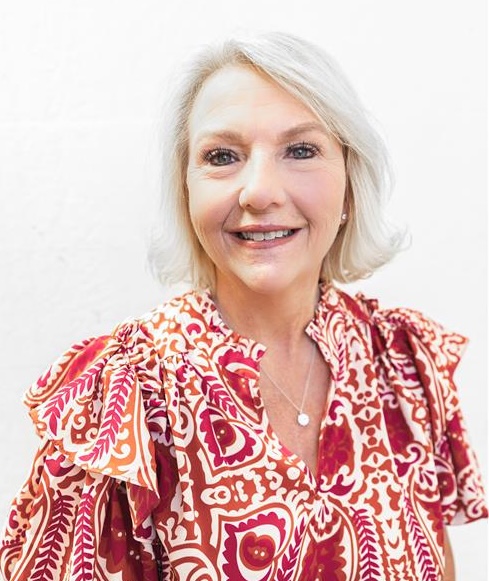
Eastland County Clerk Cathy Jentho has spent more than 25 years serving her community, helping preserve the county's history while embracing new technologies that make public records more accessible. Since taking office in 1999, Jentho has witnessed the transformation of county government from paper-based processes to digital recordkeeping, all while maintaining her commitment to public service. As a member of the TAC Board of Directors and an active leader in the County and District Clerks' Association of Texas, she brings decades of experience and a collaborative spirit to supporting county officials across the state.
In this Q&A, Jentho reflects on the changes she's seen throughout her career, the challenges facing county clerks and the importance of preserving historical records for future generations. She also shares what inspires her dedication to public service, the value of working with fellow county officials and a few of her favorite creative pursuits outside the courthouse.
You've served as Eastland County Clerk since 1999. What are some of the biggest changes you've witnessed in county government over the past 25-plus years?
Since 1999, the county clerk has been central to the county's modernization. Because the county clerk serves as the custodian of public records and the clerk to the commissioners court, the office directly executed or adapted to several of these major shifts:
Digital Modernization & Remote Records Access
Filing through the courts system and eRecording real estate documents have taken us out of the paper and pen era quickly. However, it is still good to know the “old school” ways of doing things, because when modern-day technology breaks down, the county clerks still must do the job they are statutorily required to do; there is no “come back at the end of the week” -- timely filings are a must.
24/7 Online Land & Historical Records.
Rather than requiring title researchers, landmen and residents to visit the courthouse in person to flip through heavy ledger books, the county clerk’s office digitized decades of records. Through platforms like Tyler Technologies and Kofile QuickLink, users can remotely search land record indexes dating back to 1870, plat maps from 1881, and full property records from 1984 to the present day.
What has kept you passionate about public service throughout your career?
Knowing that God has placed me in this position to serve Him and the people He has placed in my path every hour of every day. I find joy in serving others and helping in their process of figuring out a problem they are facing.
County clerks handle a wide range of responsibilities that many residents may not be familiar with. What is something you wish more Texans understood about your office?
Military discharge records which are also known as DD214’s; cattle brands; lad patent records.
What inspired you to become involved with TAC and serve on its Board of Directors?
I wanted to know more about TAC’s involvement in counties and the areas they serve. It has opened my eyes to how much they do and inspires me to keep researching more of the organization to figure how I can serve more.
What are some of the biggest challenges you see facing Texas county clerks today, and how can organizations like TAC help address them?
Still today, the biggest challenge is having to provide thousands of public records for pennies to people requesting them. The preservation and digitization are monies that have been paid for by Eastland County citizens. Records are expensive to preserve and digitize and are an absolute must for historical reasons. I would love TAC to consider working with the county clerks and the office of attorney general more on restructuring the laws that mandate those charges for bulk data or just a simple public information request.
What is something people might be surprised to learn about you outside of your role as county clerk?
I love to work with wood and paint.
You've taken on leadership roles with the County and District Clerks' Association of Texas. What inspired you to get involved, and what have you learned from working with clerks across the state?
I wanted to get involved so I could serve others in my association and make it an even better platform than it already was. When clerks collaborate for the better of the association and put aside personal differences, the impact on the association and the state of Texas is a big win.
County clerks help preserve records that tell the history of their communities. Have you ever come across a particularly interesting historical document or record in your work?
I enjoy reading the “metes and bounds” of a legal description. One of the documents I recall reading dated around the1930’s, and the description mentions a tree that is ½ in diameter and so many feet from a rock that was white in color and jagged on two corners. I wonder what was going through their minds back then and how the future surveyors would know which tree it was and what happened to that descriptive rock.
It also saddens me to read the late 1800 and early 1900 death certificates. Wow, life was hard and so many unknowns when caring for babies and young children.