
Feature Story | July 28, 2026
Momentum in Midland
How Midland County is reducing repeat offenses through recovery, education and peer support
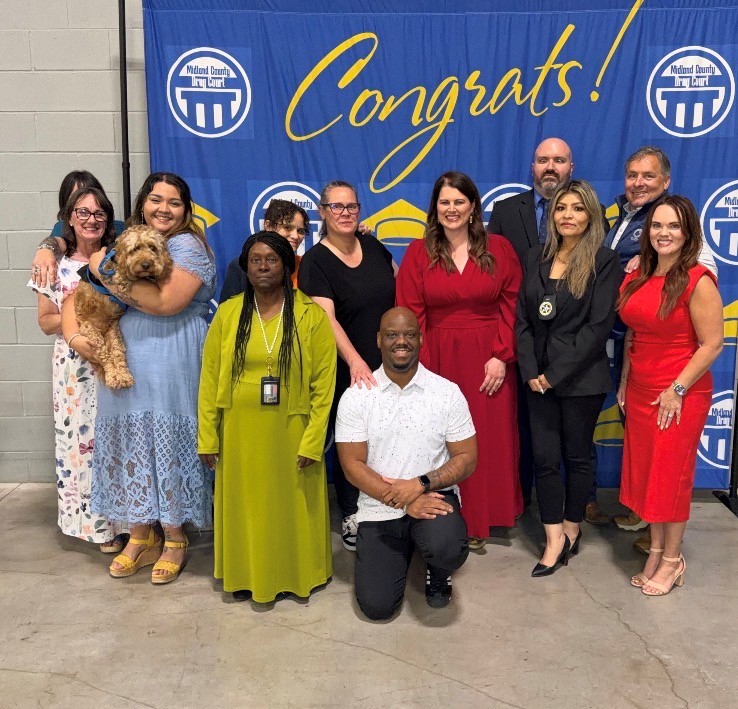
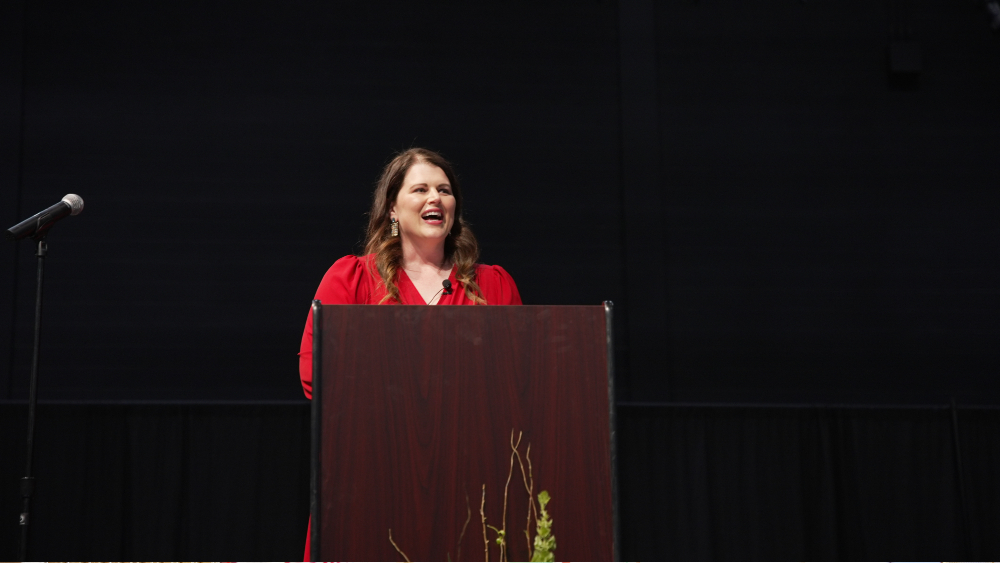
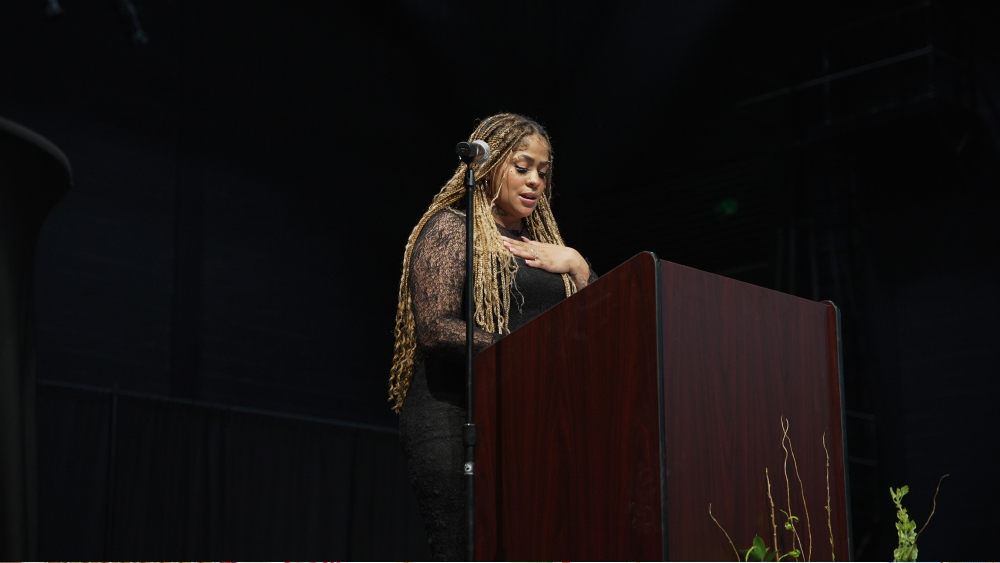
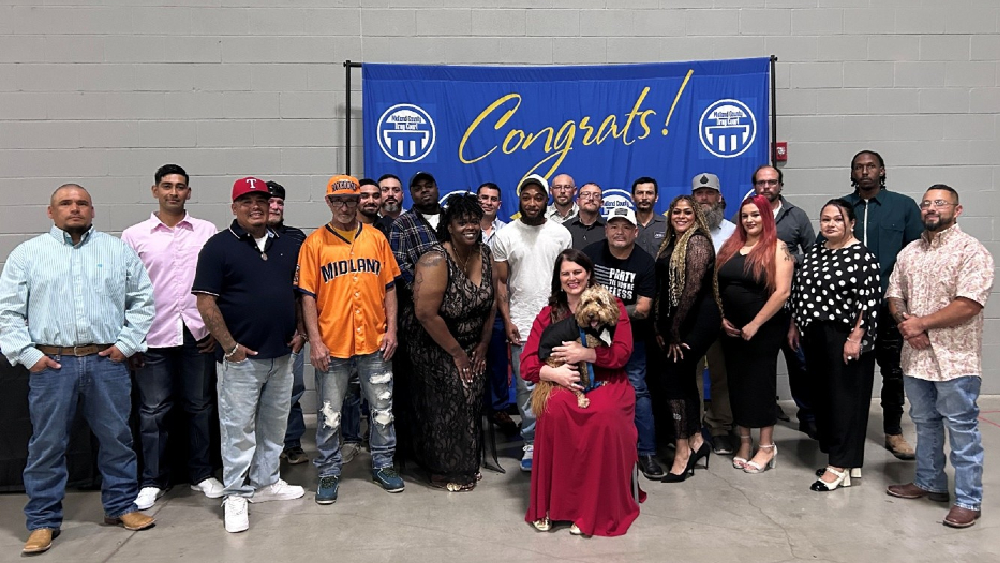

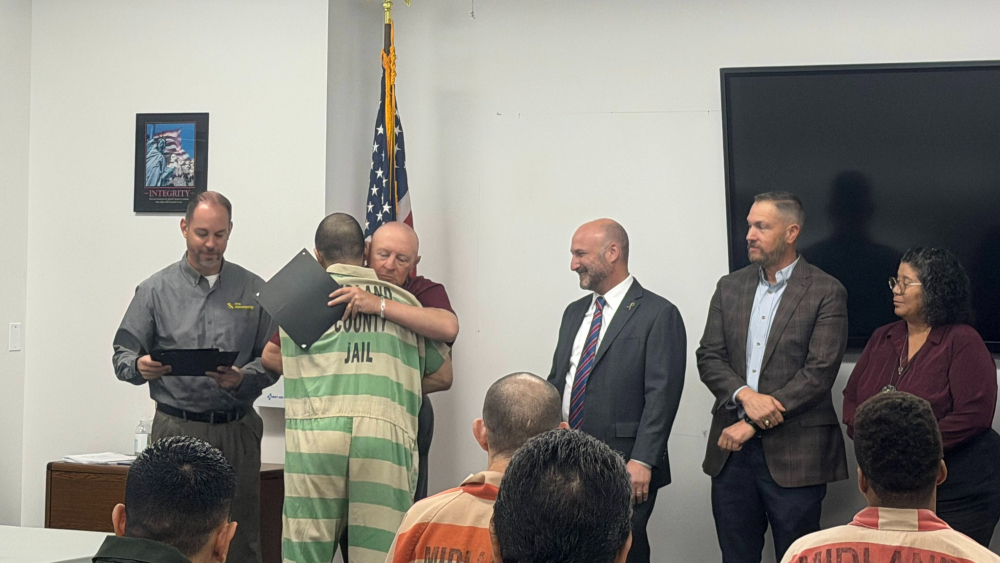
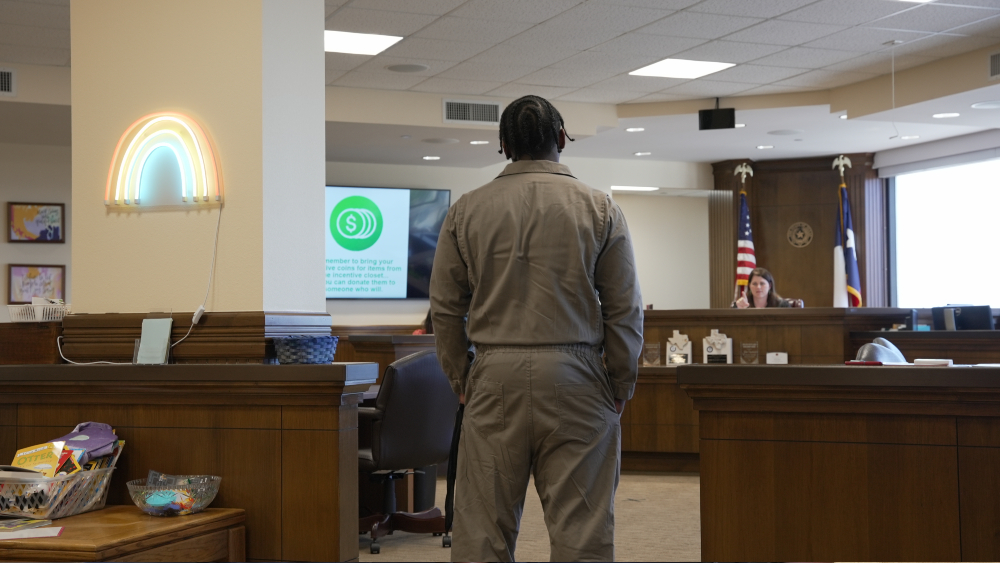
On a beautiful West Texas evening in May, more than 400 family members, community advocates and county officials gathered to celebrate a significant accomplishment in the lives of 26 people: graduation from Midland County Drug Court.
“God blessed me with this final chance,” said graduate Tameron Lee, who spoke during the ceremony about her struggle with addiction and a cycle of arrests, probation and county jail. As it is for many participants, drug court was her last option to avoid prison.
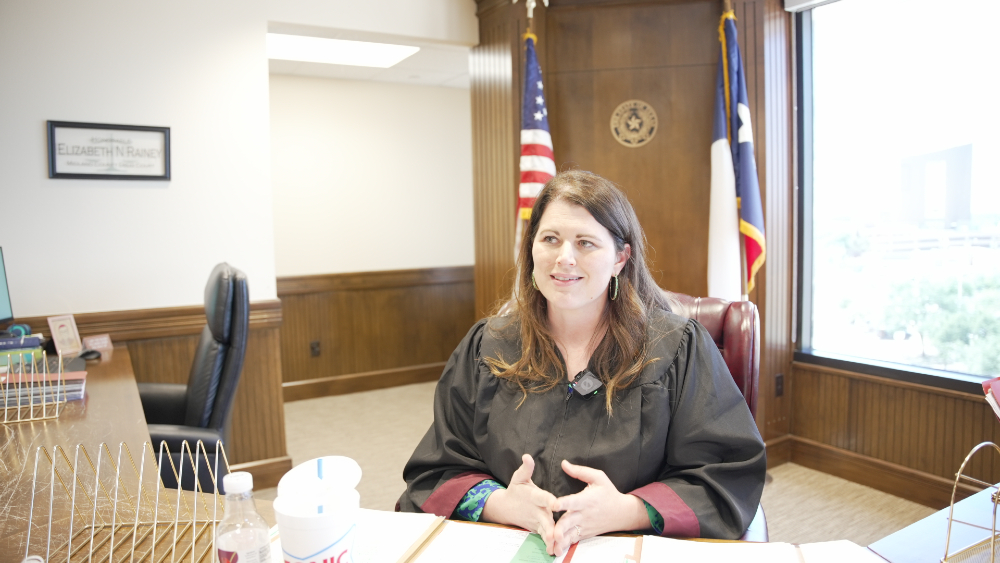
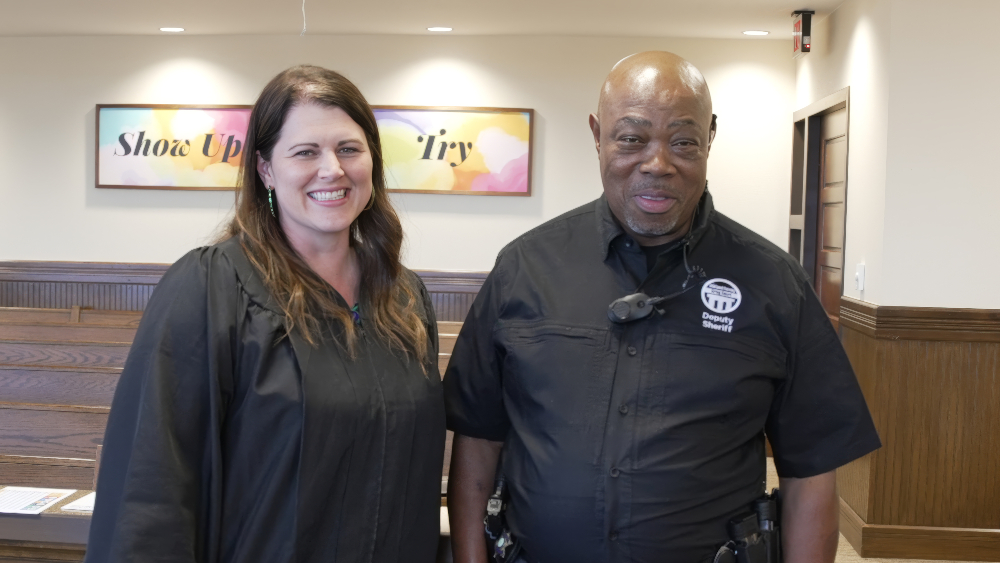
Through personal commitment, counseling, peer support, treatment options, drug monitoring, and the patient, tough love of Judge Elizabeth N. Rainey, drug court magistrate, and her staff, Lee progressed through five phases of drug court before graduating from the program. She is positive about the future. “Life is beautiful today,” she said.
Breaking the cycle
Rainey wasn’t familiar with specialty courts before joining Midland County in 2018, but as a former defense attorney, she knew the frustration of seeing the same people in court over and over again.
It’s a question Texas has grappled with for years: How do you stop people from cycling through the criminal justice system continually?
In Midland County, the answer isn’t a single program or a single office. It’s a growing network of partnerships, services and people working together to create lasting change.
This multilayered approach includes drug court and other specialty courts, community supervision programs, nonprofit partnerships, mental health services, jail-based education, peer mentorship, and state resources.
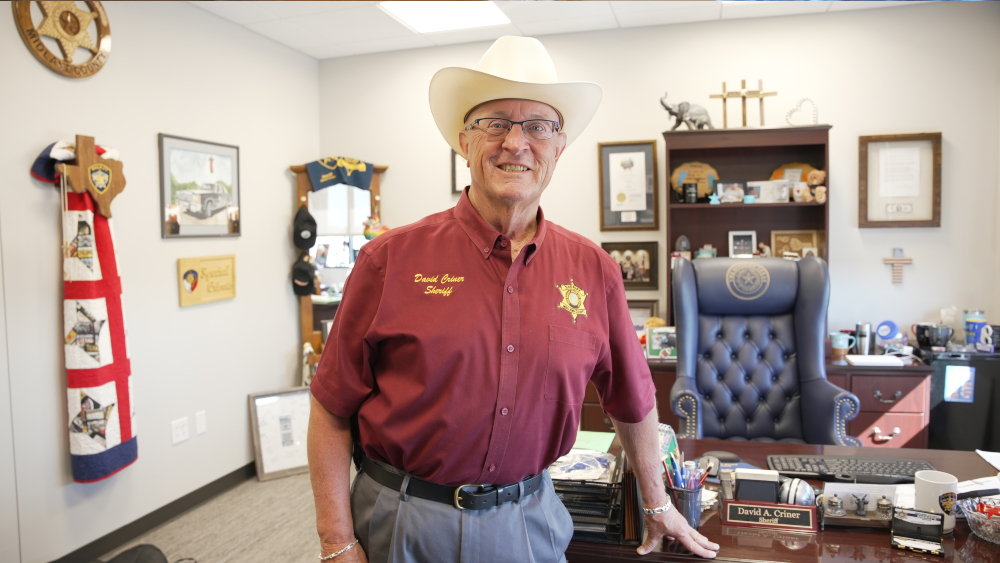
With each success, the momentum builds: People who once needed help are now helping others, and attitudes about rehabilitation and accountability are shifting. “It’s kind of a domino effect where it reaches out to everybody,” Midland County Sheriff David Criner said. “It’s good.”
A different kind of courtroom
Drug court is a specialty court for substance addicted offenders who have not been successful with typical probation. It couples rehabilitation with intense judicial supervision.
Rainey said her courtroom looks nothing like what people see on television.
There are no dramatic confrontations, no shouting matches. Bright, rainbow-colored artwork in the courtroom reinforces the three key instructions for drug court: Show up; Be honest; and Try. It feels more like a community center than a courtroom.
Drug court brings together prosecutors, defense attorneys, probation officers, treatment providers and law enforcement officers, and everyone is focused on recovery. “We’re working together as a team,” Rainey said. “Addiction is not just one thing. There’s roots that we need to dig up and get to.”
The results have been remarkable.
Rainey has been holding twice-a-year graduations since the court started during fall 2018. The first five-year recidivism study on the program showed a 97% success rate of those who completed drug court, meaning they had no new felony charges or convictions and had not returned to prison up to five years after graduation.
The court’s success has earned Midland County Drug Court national recognition as a mentor court, one of only a handful selected to help train and guide other specialty courts across the country.
But the numbers tell only part of the story. The real impact is visible in graduates like Shaun Ellis.
“The program saved my life,” he said. When Ellis entered drug court in 2021, he had been addicted to substances and living on the streets. He had already been to prison and had largely given up hope of reclaiming his life.
After entering the program, he relapsed almost immediately. But he kept showing up, being honest and trying, and eventually the treatment, counseling and accountability started to pay off.
Thriving United, a local recovery-focused nonprofit that partners closely with drug court, helped get him into stable housing, a turning point in his sobriety.
Now, he works for Thriving United and provides peer support to others beginning their own recovery journeys, including a weekly alumni meeting for drug court graduates.
Pathways to H.O.P.E.
Another nonprofit partnership in Midland County aims to reduce recidivism from a different angle.
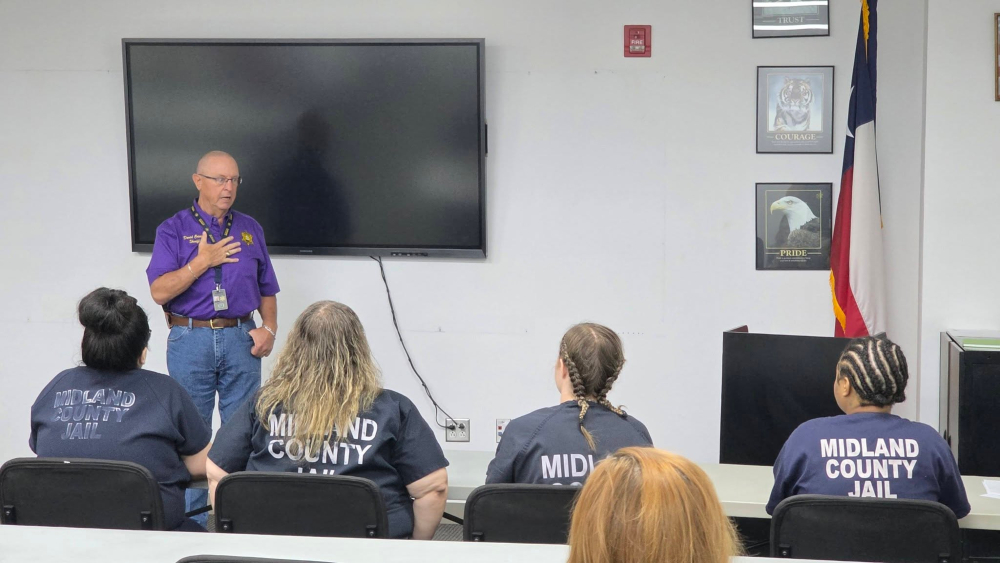
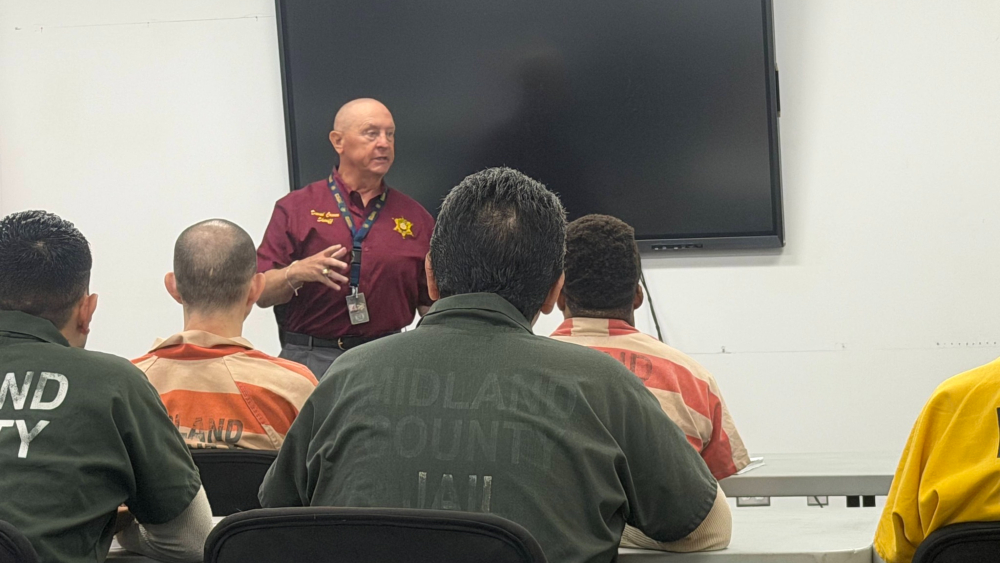
The Midland County Sheriff’s Office partnered with One CommunityUSA at the beginning of 2026 to bring the Pathways to H.O.P.E. (Helping Offenders Pursue Excellence) to Midland County Central Detention Center.
The program is a jail-based education and 18-month mentorship program that helps offenders identify the root causes of their behavior, develop life skills and build connections to support services before and after release. Commissary funds pay for the program.
The 40-hour course covers topics ranging from emotional intelligence and family relationships to financial literacy and goal setting.
Criner brought the program to Midland County, following a recommendation from Tarrant County Sheriff Bill Waybourn. Pathways to H.O.P.E. began in Tarrant County and also operates in Rockwall County.
Waybourn said Pathways to H.O.P.E. lives up to its name. “A majority of those in our custody will serve their time and eventually return to our neighborhoods. We want them to succeed, to rebuild their lives, and to never again walk through the doors of our jail — or any jail. That is the goal, and Pathways to H.O.P.E. helps make it possible,” he said.
In Tarrant County, recidivism among people who have completed the Pathways to H.O.P.E. program is in the single digits.
It’s too early to quantify success in Midland County, but Criner is hopeful. “We don’t want these folks to stay in the system,” he said. When someone leaves the Midland County Jail, he doesn’t want them to come back. He wants them to become productive workers, parents, neighbors and community members.
“It’s just a win-win for everyone,” Criner says. “It’s a win for us. It’s a win for the individuals that are incarcerated. It’s a win for their families, and it’s a win for society.”
“We get them to understand why they’re in a facility,” said Tom Cruz, one of the program’s leaders. “Not just the crime they committed, but what’s underneath it.”
One of the instructors teaching those lessons is Tim McAfee, a former methamphetamine user who spent years cycling through addiction and incarceration before participating in Pathways to H.O.P.E. in Tarrant County.
McAfee said Cruz’s mentorship, along with a simple lesson, altered the course of his life.
“You have to change the way you’re thinking,” he recalled being told.
That realization became his turning point. Today, he owns a home, is married, has a career and serves as both a mentor and instructor with Pathways to H.O.P.E.
Beyond punishment
Programs such as drug court and Pathways to H.O.P.E. reflect a broader shift in how Midland County approaches public safety.
Many of the county leaders involved describe a growing recognition that accountability and rehabilitation are not opposing ideas, but complementary ones.
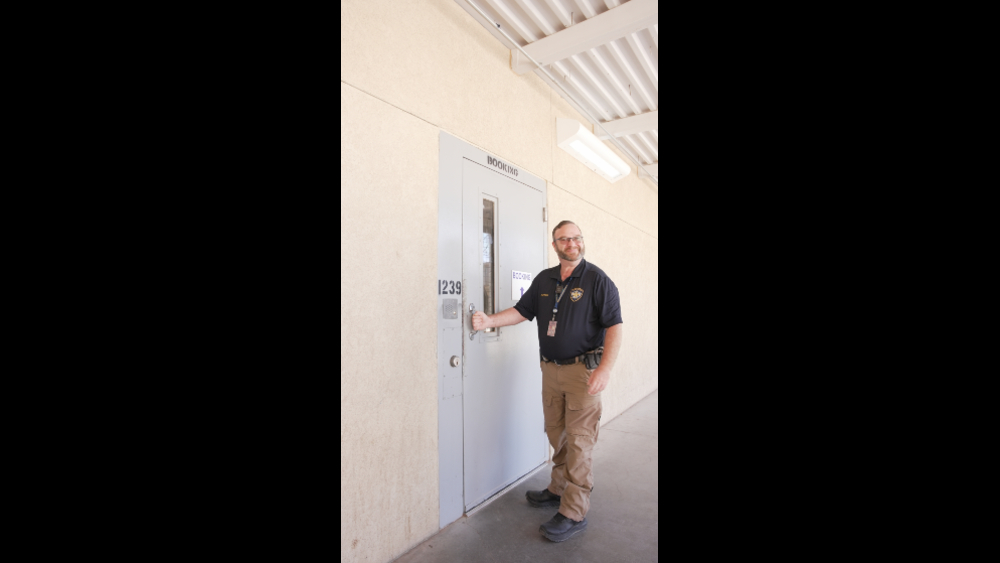
Sheriff’s Deputy John Reese, a longtime drug court compliance officer and bailiff, has witnessed that transformation firsthand.
Early in his law enforcement career, he said, his job was simple: Put people in jail and move on.
Working with Rainey changed that perspective. Now, he sees his role differently.
“My job is to keep you out of jail,” Reese said.
His county-issued phone stays on 24 hours a day. Participants call him at all hours when they’re struggling, facing temptation or simply need advice.
Over the years, he’s watched former participants buy homes, purchase cars, rebuild families and establish careers. Those successes gradually changed his attitude and the attitudes of his law enforcement peers.
“What do you mean they can have a positive drug test, and you don’t yell at them?” Reese remembered hearing when the drug court program first started.
Today, officers sometimes call Reese to ask whether someone might qualify for drug court.
A safer community
County leaders are quick to point out that these efforts aren’t just about helping people. They’re also about strengthening the community as a whole.
Allen Bell, director of Midland’s Community Supervision and Corrections Department (CSCD), sees drug court, Pathways to H.O.P.E. and other interventions as different approaches to the same challenge: breaking cycles that keep bringing people back into the system.
His department oversees probation in Midland County, and the percentage of offenders successfully completing probation has increased from 54% in 2016 to 77% in 2026. He attributes the increase partly to the success of drug court and partly to a general shift that focuses on intervention instead of just punishment.
.png)
The department receives about $2.6 million a year from the Community Justice Assistance Division (CJAD) of the Texas Department of Criminal Justice — a mix of formula funding and discretionary grants — to support community supervision of about 4,000 people. Midland County CSCD employs five licensed chemical dependency counselors who support drug court and also other probationers.
Research consistently shows that evidence-based programs, particularly those using cognitive-behavioral approaches, are effective at reducing recidivism, and CJAD requires grantees to incorporate these components into their programs.
Bell noted, “You have to change thinking to change behavior.”
It’s an apt description of the efforts across Midland County, where leaders are working together to rehabilitate offenders one day and one person at a time, for lasting change.
“Growth never stops,” Rainey said to the graduating class of drug court. “If you’re doing it right, it’s one day at a time.”
Written by: Erica Macioge, with additional reporting by Jody Seaborn.
The Midland County jail is becoming more than a place to serve time. Sheriff David Criner and the Pathways to H.O.P.E. team are helping inmates confront the choices and challenges that led them to jail — and prepare for life after release. In this episode of Texas County Voice, hear from program leaders, mentors and participants about accountability, second chances and why helping people successfully reenter their communities can be a powerful tool for public safety.