

Blog | July 16, 2026
County Government 101: County Commissioners

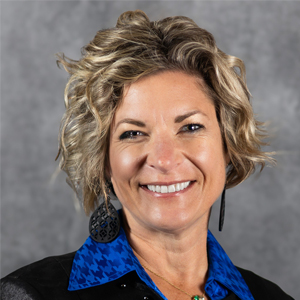
Behind every county service is an elected official making difficult decisions, balancing competing priorities and serving their community every day. Through TAC's County Government 101 educational series, TAC staff hear directly from county officials to better understand the work they do. In July, Comal County Commissioner Jen Crownover and De Witt County Commissioner Ryan Varela shared what life as a county commissioner is really like, from managing budgets and infrastructure to building community trust and working alongside TAC to better serve Texans.
"There are about 1,016 different ways of being a commissioner," Crownover joked, noting that while every county is unique, commissioners share the same core mission: balancing the needs of their communities while operating within the limits of state law. She described the role as much more than people realize, saying most residents only see "the tip of the iceberg" while the majority of the work happens behind the scenes.
Varela echoed that sentiment, explaining that while constituents see road crews patching potholes and maintaining infrastructure, commissioners are also responsible for budgets, major projects, public representation and policy decisions made in Commissioners Court.
Both commissioners emphasized that listening is one of the most important parts of the job.
Varela prefers a personal approach, visiting neighborhoods, attending school board and city council meetings, and talking directly with residents.
“We as commissioners listen to everybody, you have to go out there. You have to listen to everybody in your county from the furthest point of your boundaries to the closest point of your boundaries to your office,” he shares. “You have to get that personal touch. If not, you'll never know about certain problems going on.”
Crownover said connecting with constituents requires meeting people where they are, including on social media.
"I believe in consistent communication, accurate communication and being responsive," she said, adding that building trust through transparency helps combat misinformation and keeps residents informed.
The discussion also highlighted the value of collaboration. Whether working with school districts, water providers, state agencies or fellow county officials, relationships often help counties solve challenges that no single office can address alone. Crownover noted that those partnerships are especially important as counties balance growth, limited authority and the expectations of residents.
When asked about TAC's role, both commissioners praised TAC as an essential partner. From education and legislative resources to risk management, technology and member services, they said TAC helps county officials navigate increasingly complex responsibilities.
"TAC and our associations, it's a huge safety net," Crownover said. "They enable us to do our jobs and be better at our jobs."